Backyard Biodiversity: Creating Habitats for Local Wildlife with Thoughtful Landscaping Feb 26, 2026
The journey begins with understanding the native species in your area. These plants, birds, and insects have evolved in your local ecosystem and play significant roles. By incorporating native plants into your landscaping, you create a habitat that supports wildlife all year round. Native plants have developed defenses against regional pests and require less water and maintenance compared to non-native species, making them a sustainable choice for your garden.
Start by selecting a variety of plants that will bloom across different seasons. This ensures that there is always food available for pollinators like bees and butterflies. For instance, consider planting early bloomers such as spring ephemerals, followed by summer perennials and fall-blooming asters to provide a continuous food supply. In addition, include trees and shrubs like oak and dogwood, which offer shelter and nesting sites for birds and mammals.
Water features can also significantly enhance your backyard's appeal to wildlife. Even a small pond or a birdbath can provide much-needed hydration for animals, especially in urban areas. Choose features that mimic the natural water sources found in your local environment. Moving water, through small fountains or waterfall features, can further attract a wide variety of wildlife by keeping the water fresh.
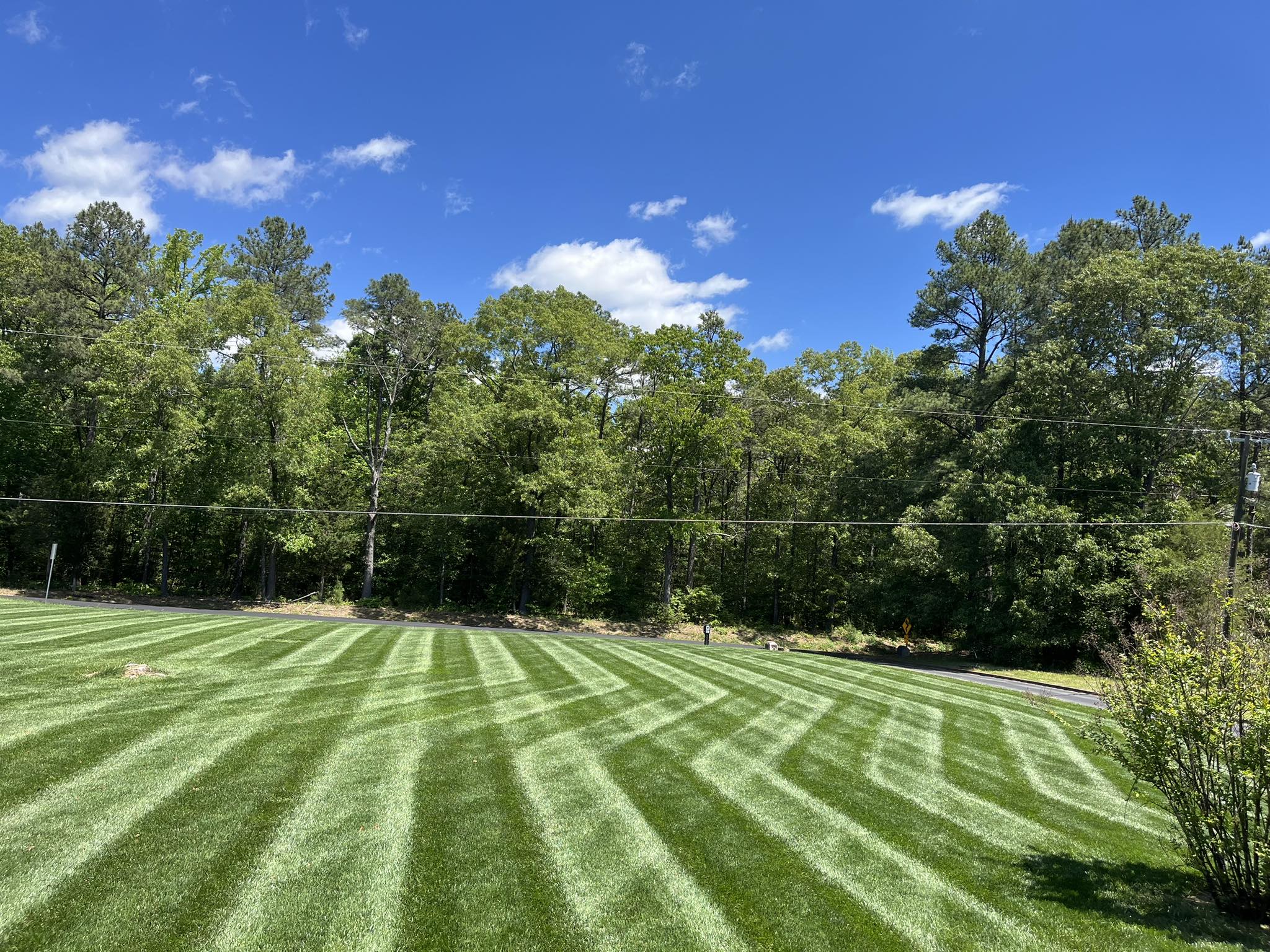
Another crucial element of backyard biodiversity is the ground cover. Instead of uniform lawns that offer little ecological benefit, enrich your ground with diverse layers. Allow patches of wildflowers and clover to intersperse lawns, providing nectar for bees while enriching the soil. Encourage leaf litter and twigs to remain on the ground; these provide essential habitats for insects and small mammals that play vital roles in your garden's ecosystem.
Creating habitats does not stop at plant choices. Consider leaving certain areas undisturbed. A fallen log or a small brush pile can offer habitats for amphibians and reptiles, important parts of the ecological chain. By allowing these features to naturally decompose, you also enhance soil fertility.
Atlas Home Services believes that informed design is crucial. Besides the environmental benefits, a biodiverse backyard becomes a personal oasis, a place where tranquil moments can be shared with nature. To maintain balance, avoid chemicals that can harm these delicate ecosystems. Instead, embrace natural pest control through the attraction of beneficial predators like ladybugs and birds.
Before you embark on creating your backyard sanctuary, reach out to local conservation groups or extension services. They can provide valuable information about which species are threatened or endangered in your area, helping you to make informed choices that will support wider conservation efforts.
In conclusion, thoughtful landscaping does more than improve curb appeal. It is a commitment to supporting our planet's delicate ecosystems. By enhancing your backyard's biodiversity with Atlas Home Services, you are not just creating a beautiful outdoor space; you are contributing to the health and resilience of the local environment. Together, let's nurture a planet that thrives—in your backyard and beyond.
/filters:no_upscale()/filters:format(webp)/media/0c9e71d1-6e57-4ac9-a738-0edef28fbf3c.jpeg)